Peel Test Specimen

Quickly Perform 90 Degree Peel Tests On Multiple Specimens Video

Enhancing The Performance Of The T Peel Test For Thin And Flexible Adhered Laminates Review Of Scientific Instruments Vol 87 No 8
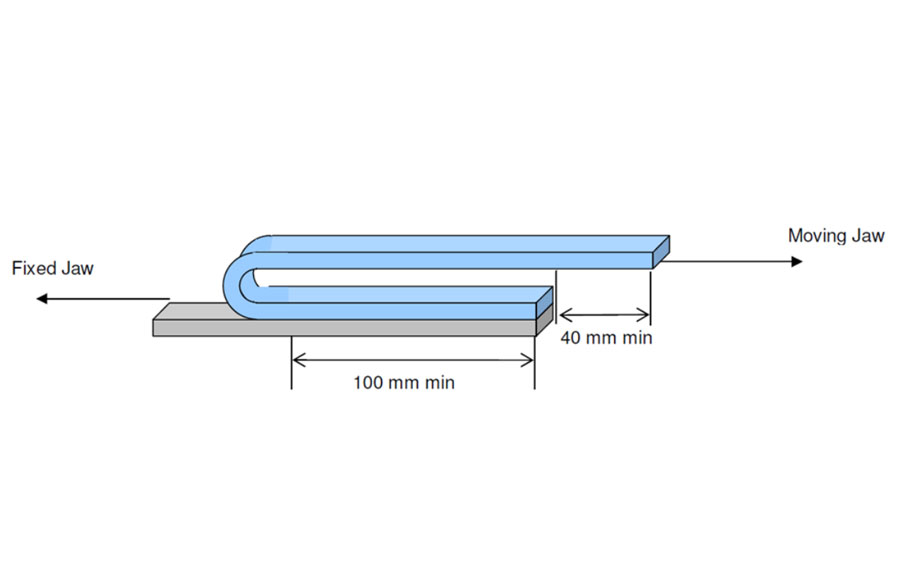
Peel Adhesion Test 90 And 180 Peel Test Impact Solutions
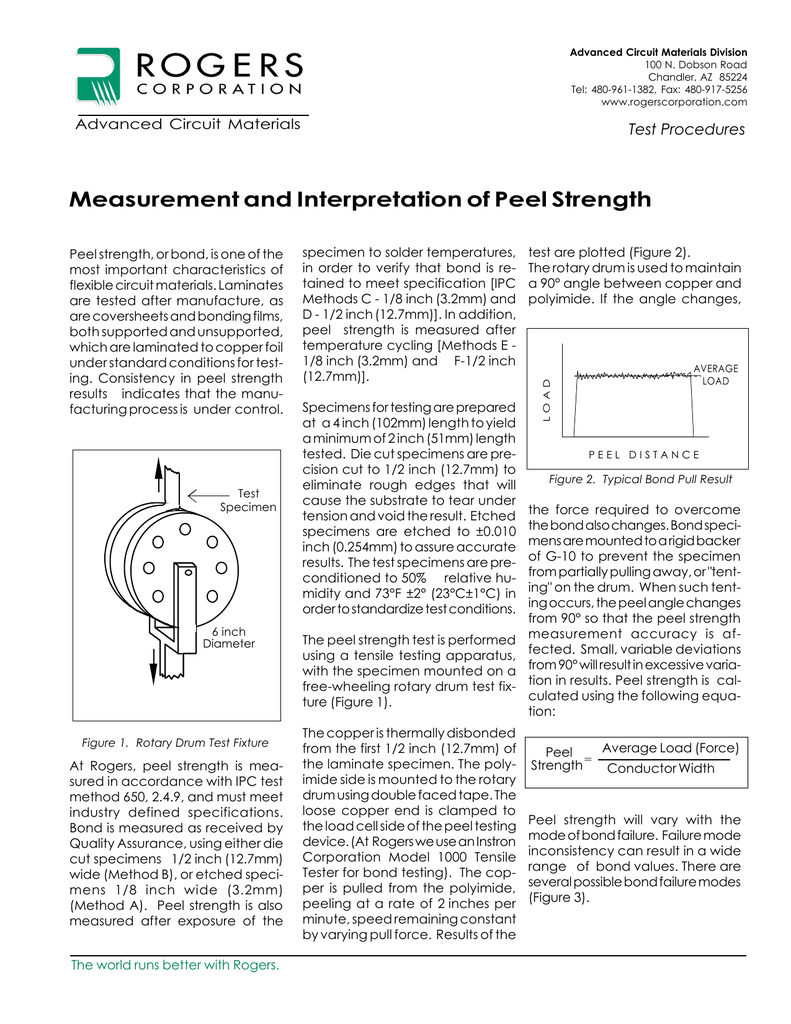
Rogers Corporation Measurement And Interpretation Of Peel Strength

How To Perform An Adhesive Strength T Peel Test Astm D1876 Youtube

Peel Mecmesin
G49 Peel Adhesion Test 180 Degree Fixture Load rating and dimensions made to order Designed to perform 180° peel tests easily and consistently Ensures proper alignment of the specimen for optimal results Adhesion surface is adjustable to account for different specimen thicknesses.
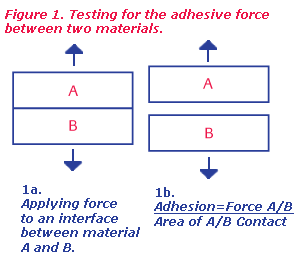
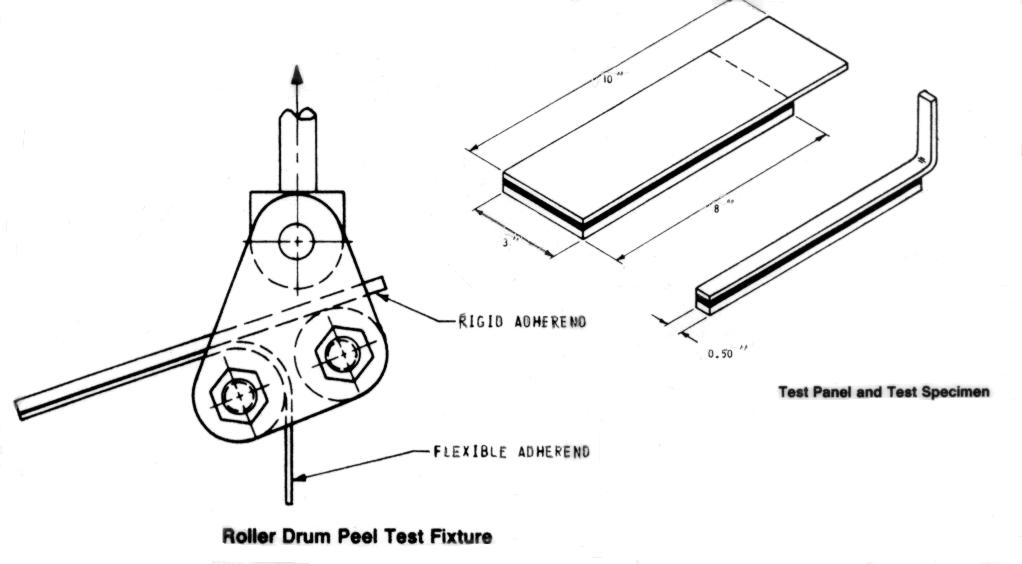
Peel test specimen. The results of the peel test are shown in Figure 6 in the form of the force required to debond different specimens According to this figure, it is clear that specimen B (with 80% resin and % hardener) uses maximum force in debonding the laminate layers compared to other specimens with codes A and C. The floating roller peel test has been developed to determine the relative peel strength of adhesive bonds between one rigid adherend and one flexible adherend This test method is considered suitable for acceptance and process control testing The asymmetric specimen is typically 25 mm wide and consists of a 250 mm long flexible adherend bonded to a 0 mm long rigid adherend. Specimens and Specimen Conditioning To perform a test to ASTM D903, the adhesive materials must be cut into specimens 1" x 12" long The specimens are then peeled away from either a flexible or rigid substrate at a 180° angle at a separation rate of 1524 mm/min, or 6in/min Test materials must be thick enough to withstand the expected tensile pull but not greater than 3 mm (1⁄8 in) in thickness.
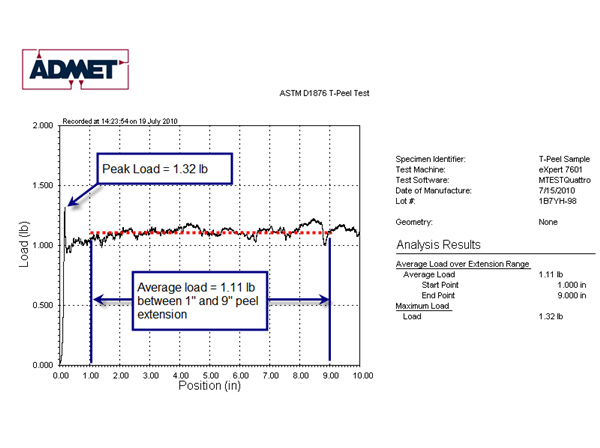
ASTM D1876 is a test method that measures the peel separation strength of two flexible materials that have been bonded together This is commonly referred to as the “TPeel” test because the sample looks like the letter “T” when loaded in the machine before the test. ASTM D1002 Standard Test Method forApparent Shear Strength of SingleLapJoint Adhesively Bonded Metal Specimensby Tension Loading ;. Use one test requisition Label each specimen with the patient’s name, date and time of collection, or site (if applicable) Write the number of specimens on the test requisition Submit all specimens within a series together in one specimen bag Improperly labeled specimens will be rejected PACKAGING.
The results of the peel test are shown in Figure 6 in the form of the force required to debond different specimens According to this figure, it is clear that specimen B (with 80% resin and % hardener) uses maximum force in debonding the laminate layers compared to other specimens with codes A and C. These strongly influence the resulting shape the specimen assumes were bonded with two kinds of acrylic adhesives LORD® during testing. JAK2B Container/Tube Preferred Lavender top (EDTA) Acceptable Yellow top (ACD) Specimen Volume 4 mL Collection Instructions 1 Invert several times to mix blood 2 Send specimen in original tube.
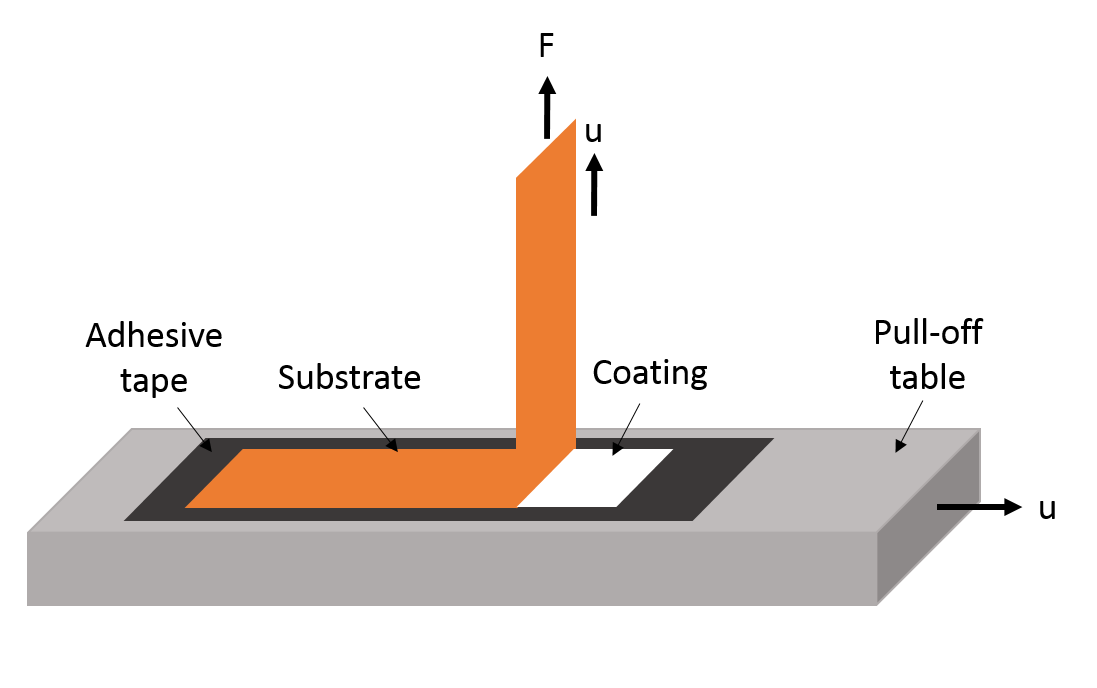
5211 A minimum of two 318 mm 0125 in test strips per specimen shall be peeled For qualification testing four 318 mm 0125 in strips per specimen shall be peeled 5212 Adjust the measurement system to compensate for the weight of the wire and clamp 5213 Peel the test strip back at the tab end (if present) no more than 127 mm 05 in. Peel test is a conventional method in battery industry for ranking the adhesion strength of electrodes, which separates the active material coating from the current collector using bond tapes. ASTM D1876 Adhesives Peel Testing ASTM D1876 is a test method that measures the peel separation strength of two flexible materials that have been bonded together This is commonly referred to as the “TPeel” test because the sample looks like the letter “T” when loaded in the machine before the test Other common peel tests are the 90 degree and 180 degree peel test but they are used when a flexible material has been bonded to a rigid substrate such as plastic or metal.
ASTM D3165 Standard Test Method for Strength Properties of Adhesives in Shear by Tension Loading. The maximum peel force reached during each test run was recorded UNRESTRAINED Each tail of the specimen is secured in opposing grips and the seal remains unsupported while the test is being conducted perpendicular 90o RESTRAINED Each tail of the specimen is secured in opposing grips and the seal remains handsupported at a angle to the. Oto Effects of Specimen Geometry and Material Strength on the Test Results in the Mechanized Peel testing Shinobu Satonaka, Chihiro Iwamoto Kumamoto University, Kinichi Matsuyama Osaka University International Symposium on Advances in Resistance Welding by AWS and RWMA held at Hilton Atlanta on Apri , 14 in Atlanta, GA, USA.
Plastic peel tests (90 and Tpeel) and tapered double cantilever beam specimens This study deals with a particular type of peel test, known as a Tpeel test (T indicating that the specimen forms a Tshape) between symmetrical interfaces The Tpeel test has been practiced for at least the past six decades49 For. Peel test for a flexiblebondedtorigid test specimen assembly 90° peel FINATFTM2 – Peel adhesion (90°) at 300 mm per minute IPCTM650 – IPCTM650 Test Methods Manual ISO – Adhesives – Peel test for a flexiblebondedtorigid test specimen assembly – Part 1 90 degree peel. Using an Instron electromechanical test frame, a 180 degree peel test was conducted to measure the initial peel strength We used an Instron model 3345 single column test frame configured with a 500N load cell and 1kN side acting pneumatic grips to perform testing on both full trays and on one inch wide cut strips to attain repeatable results The initial peel strength was measured by peeling the lid back from the corner of the part by gripping onto the removal tabs.
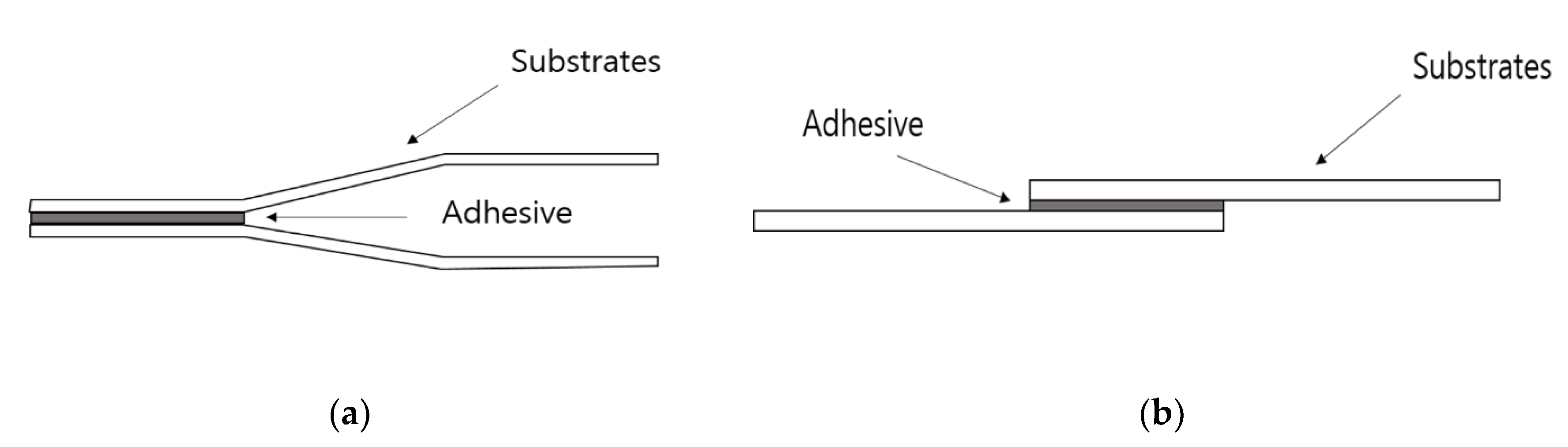
TEST METHOD F SingleCoated Tapes at 90˚ Angle 151 Prepare specimen for testing as described in 101 through 103 152 Double back the folded end of the tape at a 90˚ angle and peel 25 mm of the tape from the panel. Note In fact, the specimen geometry also plays a role in the stressstrain diagram (even if only a minor one), especially when using different types of tensile test specimen, eg round specimen vs flat specimen There are also slight differences if a longer specimen (“German” specimen) is used instead of a shorter one (“USA” specimen). The Tpeel test (ASTM D1876) evaluates the force required to the progressively separate two bonded, flexible adherends Variations in test specimen preparation such adhesive curing, adhesive thickness, adherends and conditioning provides insight for optimization in processes and application Test Procedure Clamp each ends of the tpeel specimen in separate test grips of the universal tester / tension testing machine.
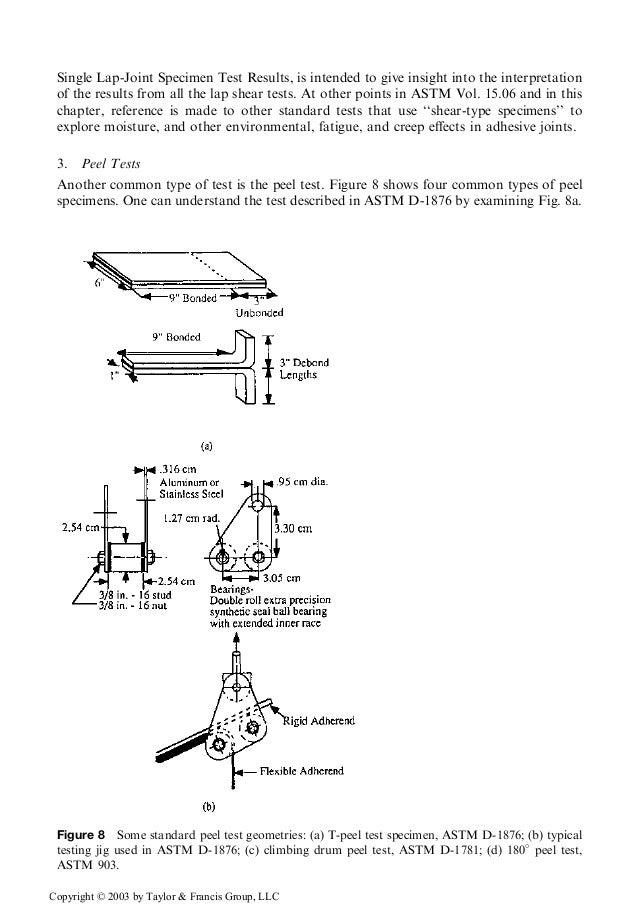
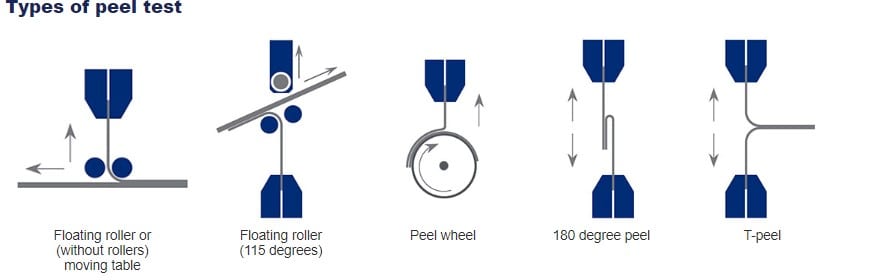
8 Test Method 81 Insert the test specimen into the peel test fixture as shown in Fig 1, with the unbonded end of the flexible adherend gripped in the test machine jaw Peel the specimen at 152mm/min (6in/min) bond separation rate by applying the load at a constant head speed of 152 mm/min If the backup. What makes peel testing unique are the many varieties of peel tests that can be performed using a universal test machine The most common types of peel tests include the Tpeel, 180°peel, 90°peel, Peel Wheel Testing, Floating Roller Peel Testing and Climbing Drum Peel Testing United offers a wide variety of test frames and fixtures to enable you to perform accurate and repeatable peel testing in your R&D lab or production facility. 3 Test Specimen Bonded metal foil with peel strength test patterns 3 mm wide and up to 76 mm long (each specimen is about 60 mm to 76 mm long) 4 Apparatus 41 Force gage or testing machine capable of a travel speed of 5 cm per minute with a range of 1 kg to 14 kg and 45 g minimum scale divisions 42 Keyhole test plate per Figure 1, or equivalent.
Common Test Standards ASTM D3330 — Standard Test Method for Peel Adhesion of PressureSensitive Tape ASTM D6252 — Standard Test Method for Peel Adhesion of PressureSensitive Label Stocks at a 90° Angle ASTM D903 — Standard Test Method for Peel or Stripping Strength of Adhesive Bonds. TEST METHOD F SingleCoated Tapes at 90˚ Angle 151 Prepare specimen for testing as described in 101 through 103 152 Double back the folded end of the tape at a 90˚ angle and peel 25 mm of the tape from the panel. The standard floating roller peel specimens were based on the ASTM standard D3167 1 A 16 mm thick aluminium sheet (rigid adherend) was adhesively bonded to a 05 mm thick aluminium sheet (flexible adherend) During testing, the flexible adherend is peeled off from the rigid adherend Both aluminium adherends were clad Aluminium alloy 24.
Tpeel test specimen behavior and test results depend strongly on the A series of Tpeel tests were conducted using three specific configuration and material properties, which types of steels and an aluminum alloy as adherends;. Common Test Standards ASTM D3330 — Standard Test Method for Peel Adhesion of PressureSensitive Tape ASTM D6252 — Standard Test Method for Peel Adhesion of PressureSensitive Label Stocks at a 90° Angle ASTM D903 — Standard Test Method for Peel or Stripping Strength of Adhesive Bonds. There are many test methods used to determine the strength of an adhesive including peel, shear, cleavage, and tension tests Peel tests are common for tapes, labels, coatings, and other bonded materials There are three main types of peel tests including 90 degree peel test, 180 degree peel test, and a TPeel test.
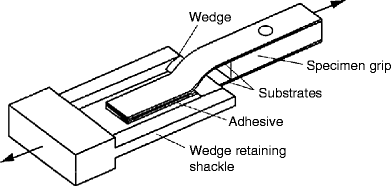
Impact Peel Test Specimen No starter crack or notch is used with these specimens as sometimes employed in other impact test methods This helps to eliminate any variability due to notch size or severity The free arms of the specimen are clamped to the fixture with a spacer block between them The wedge is then driven through the bonded. This design ensures that alignment between the fixture and the test specimen occurs as soon as force is applied and that the direction of the applied force is through the centerline of the fixture As the crosshead is driven in the tensile direction, the load weighing system measures the force required to peel the flexible adherend from the. Specimen Collection Medicare will allow payment for COVID19 specimen collection billed by qualifying practitioners with CPT® code Office or other outpatient visit for the evaluation and management of an established patient, that may not require the presence of a physician or other qualified health care professional.
NIST test apparatus for measuring peel strength in the laboratory A powdercoated test specimen is a typical coated laboratory test panel (eg, hot rolled steel) The panel is first divided into strips by cutting through the coating to the substrate in several parallel lines along the length of the panel One end of each. The sandwich panel test specimen can be as wide as 76 mm/3 inches, and the facesheet that will be peeled must be flexible enough to wrap around a 102mm/4inch diameter cylinder (the drum). ASTM D6392 •test specimens are 25 mm (10 in) wide •specimen length 150 mm (60 in) •seam is located centrally and perpendicular to length •must be cut using sharp dies •no knives or cutting tables permitted •two types of tests shear and peel with 5 specimens of each type 6 4.
Mechanized peel testing (Matsuyama) r = 2t To be researched !. The sandwich panel test specimen can be as wide as 76 mm/3 inches, and the facesheet that will be peeled must be flexible enough to wrap around a 102mm/4inch diameter cylinder (the drum) The ASTM D 1781 Climbing Drum Peel test method also can be used to test the adhesive peel strength between two adhesively bonded solid sheets In this. ISO 8510 Adhesives Peel test for aflexiblebondedtorigid test specimen assembly ASTM D1002 Standard Test Method forApparent Shear Strength of SingleLapJoint Adhesively Bonded Metal Specimensby Tension Loading ASTM D3165 Standard Test Method for Strength Properties of Adhesives in Shear by Tension Loading.
Proper specimen collection and handling is vital to prevent specimen rejection and ensure an accurate test result To find specific collection and handling requirements for each of our laboratory tests, please search for a test of interest in the Test Directory, and refer to the specimen tab Patient instructions, specimen collection requirements, required containers/tubes, special handling. The test specimen consists of a 25mm square, 10 mm thick adherend block bonded to a larger base The specimen is mounted in a grip and placed in a standard impact machine A pendulum is positioned so that the face of the upper adherend is struck as closely as possible to the bond. This test is referred to as a “Tpeel” test, because as the two flexible adherends are pulled apart, they form the shape of a “T” This test can be performed on both single and dual column frames, depending on the strength of the materials being tested The challenges of testing to this standard are.
Cut a segment of the seal to produce a test strip (254 mm wide and at least 75 mm long) The edges must be cleancut and perpendicular to the direction of the pouch seal Precondition test strips at 2125oC (oF) and 4555% RH, for 40 hours (minimum) Secure both ends of test strip in separate clamps. Description Literature Contact Us ASTM D1876 covers the determination of the comparative peel or stripping characteristics of adhesive bonds This test is referred to as a “Tpeel” test, because as the two flexible adherends are pulled apart, they form the shape of a “T” This test can be performed on both single and dual column frames, depending on the strength of the materials being tested. During a peel test, the support plate moves in a kinematically desired manner such that symmetry of the Tpeel specimen is maintained during the test If the upper grip is movable and the lower grip is fixed then the mechanical fixture includes a geartrain (with a reduction ratio of 21), such that a support moves at a speed half that of the uppergrip.
TEST SPECIMEN DESCRIPTIONS TEST PROCEDURE NUMBER OF SPECIMENS NOMINAL SPECIMEN DIMENSIONS VISUAL CHARACTERISTICS ASTM D3330 Method A 5 2" x 6" panels, with 1" wide strips of film Clear Film SECTION 7 TEST RESULTS ASTM D3330 Peel Adhesion, Method A 180° SPECIMEN NO WIDTH (in) AVERAGE PEEL STRENGTH (lb f /in) AVERAGE PEEL STRENGTH (oz/in) 1 1000 315 505. The geometrical terms include peel angle, peel speed, and specimen width In addition, percentages of data selection in peel strength curve and spring thickness which relates to strength. Schematic diagram of Tpeel test It is a peel test in which both materials are pulled simultaneously as shown in fig 5 The one end of the joint is tightly held in the jaws and the other end is.
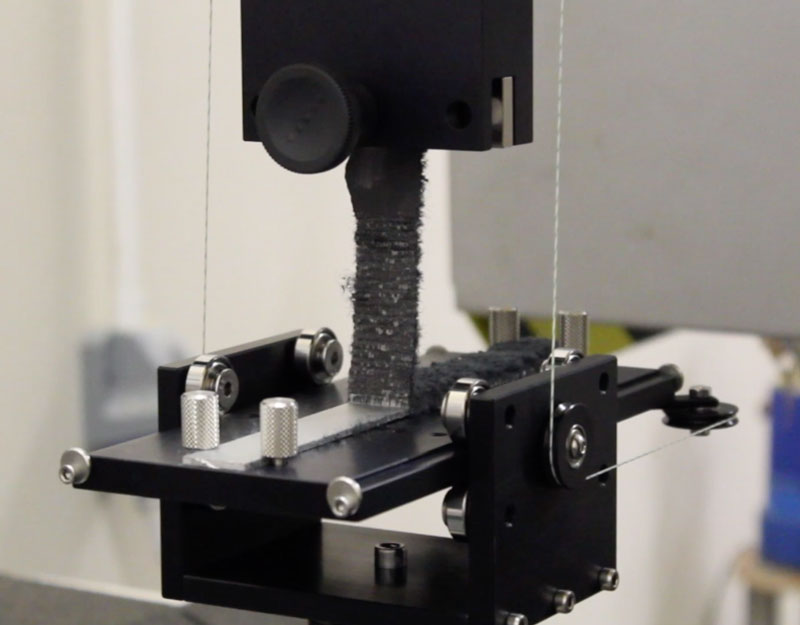
The 90degree peel test requires a sliding table or peel wheel fixture to ensure the peel angle remains constant The test specimen is clamped on an assisted peel table A small section of the specimen is separated at one end and held in the upper vice grip, which is attached to the moving crosshead of the test stand. DIN EN , 14 Edition, July 14 Adhesives Peel test for a flexiblebondedtorigid test specimen assembly Part 1 90° peel This part of EN specifies a 90° peel test for the determination, under specified conditions, of the peel resistance of a bonded assembly of two adherends where at least one adherend is flexible. Place the adhesive specimen onto the test plate or test panel fixture of an adhesion testing setup Secure the free end of the adhesive specimen into the upper grip of the tester and tighten the grip Operate the adhesion tester at the separation speed outlined in the standard so that the sample is peeled off the test plate at a 90 degree angle.
The test is referred to as a “Tpeel” due to the shape the two flexible adherends form as they are pulled apart Average peel strength for each specimen type and average, minimum, and maximum peeling loads for each individual specimen are the primary results of interest. This design ensures that alignment between the fixture and the test specimen occurs as soon as force is applied and that the direction of the applied force is through the centerline of the fixture As the crosshead is driven in the tensile direction, the load weighing system measures the force required to peel the flexible adherend from the. (right) TPeel4 Peel values are recorded in force per unit area of width (eg, lbs/in, kN/m) of the bonded specimen.
How does a peeling test perform?. TPeel Test Schematic of standard Tpeel specimen dimensions (mm) The primary purpose of this test method is to determine the relative peel resistance of adhesive bonds between flexible adherends by means of a Ttype specimen The term flexible refers to the ability of the adherend to bend through 90° without breaking or cracking. JAK2B Container/Tube Preferred Lavender top (EDTA) Acceptable Yellow top (ACD) Specimen Volume 4 mL Collection Instructions 1 Invert several times to mix blood 2 Send specimen in original tube.
The geometrical terms include peel angle, peel speed, and specimen width In addition, percentages of data selection in peel strength curve and spring thickness which relates to strength. Check out our latest page on ASTM D1876 here There are many test methods used to determine the strength of an adhesive including peel, shear, cleavage, and tension tests Peel tests are common for tapes, labels, coatings, and other bonded materials There are three main types of peel tests including 90 degree peel test, 180 degree peel test, and a TPeel test. OVERVIEW PRESTO Peel Adhesion Tester is manufactured under test standard ASTM D 903 SPECIFICATIONS Display for Peel Adhesive strength of test specimen Microprocessor based display for accurate test results Highly accurate test results under force Strong gripping clamps to perform Peel test at 180o Inbuilt calibration facility Peel Strength Tester reveals the peeling strength force required to remove pressure sensitive coated material, which has been applied to standard test specimen.
If the specimen requirement for a test is redtop tube(s), Mix the urine and peel back the protective sticker on the blue cap to expose the cannula Fill the tubes in this order gray for culture & sensitivity, yellowred marble top for urinalysis and nonadditive red top The tube is filled by pushing the tube stopper side down onto the. Peel strength is determined for specimens as received or after conditioning, such as solder immersion or elevated temperature exposure 2 Applicable Documents IPCTM650 Test Methods Manual 248 Peel Strength of Metallic Clad Laminates 3 Test Specimen Bonded metal foil with peel strength test patterns 3 mm wide and up to 76 mm long (each specimen is. This design ensures that alignment between the fixture and the test specimen occurs as soon as force is applied and that the direction of the applied force is through the centerline of the fixture As the crosshead is driven in the tensile direction, the load weighing system measures the force required to peel the flexible adherend from the.
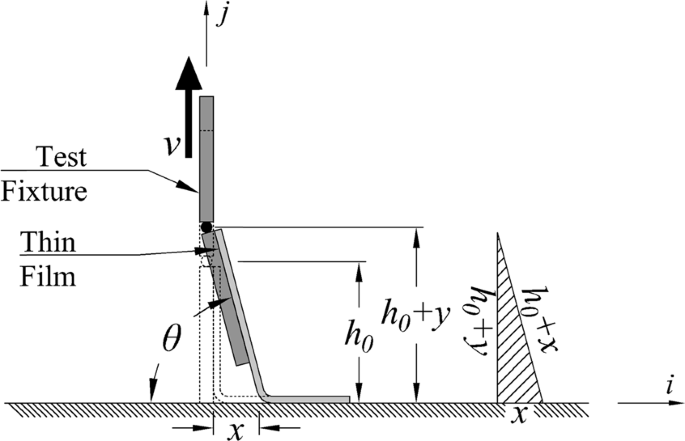
Peel test specimens are usually peeled at an angle of 90 Figure 3 Common Types of Adhesive Peel Tests (left) Floating Roller Peel, (center) Climbing Drum Peel;. Use Up/Down Arrow keys to increase or decrease volume The peel adhesion test is used to determine the force required to debond two components joined by an adhesive The test result, also known as bond strength, is generally represented as N (force to debond) / 25mm or 50mm (depending on specimen width) The peel adhesion test can be used for Quality control – where the glued component needs to meet a minimum bond strength value. ABSTRACT Symmetrically bonded thin and flexible Tpeel specimens, when tested on vertical travel machines, can be subject to significant gravitational loading, with the associated asymmetry and mixedmode failure during peeling This can cause erroneously high experimental peel forces to be recorded which leads to uncertainty in estimating interfacial fracture toughness and failure mode.
ISO 8510 Adhesives Peel test for aflexiblebondedtorigid test specimen assembly ;.

Astm F Medical Package Testing

Iso T Peel Test Flexible To Flexible Bonded Assemblies Instron

Adhesives Design Toolkit

What Is A Peeling Test
Peel Strength Test Specimen Download Scientific Diagram

Hard Soft Combinations Based On Adhesion Modified Tpv And Polyamide Kgk Rubberpoint De
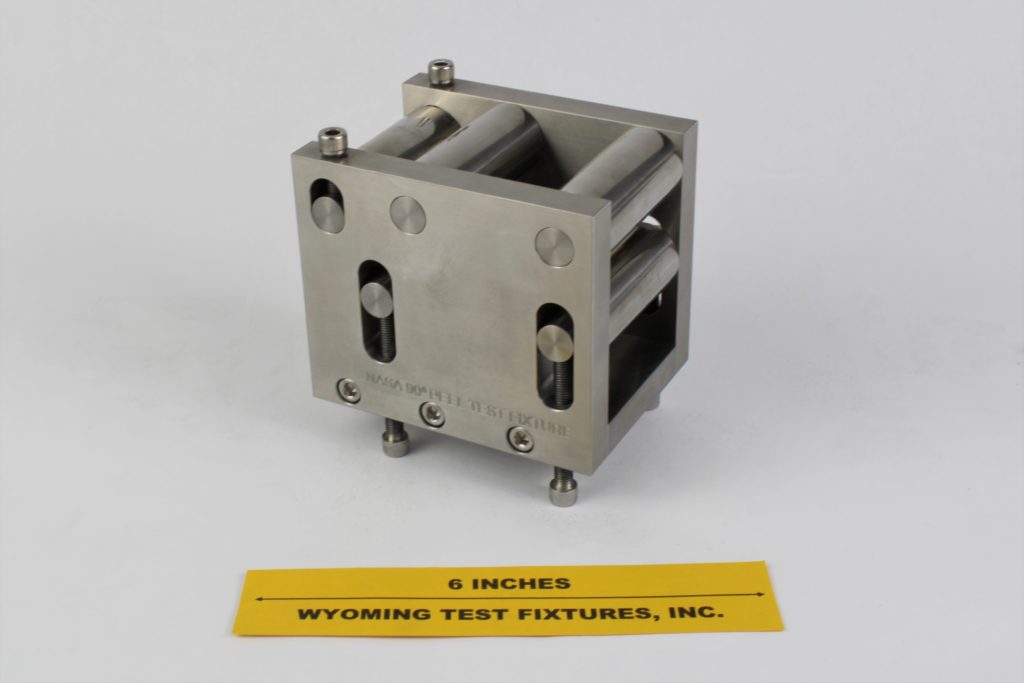
Nasa 90 Degree Peel Test Fixture Wyoming Test Fixtures

Test Methods To Measure Impact Strength Of Adhesive Joints

Test Tools

Peel Adhesion Tester Test Machine Equipment

Peel Mecmesin
Peel Adhesion Test 90 And 180 Peel Test Impact Solutions

Characterization And Failure Mode Analyses Of Air Plasma Oxidized Pdms Pdms Bonding By Peel Testing Rsc Advances Rsc Publishing

Definitive Guide To Astm D903 Peel Or Stripping Strength Of Adhesive Bonds Instron

Enhancing The Performance Of The T Peel Test For Thin And Flexible Adhered Laminates Review Of Scientific Instruments Vol 87 No 8
Measuring Force Paper Film Foil Converter

Tensile Testing Of Flexible Polyurethane Foam Per Astm D3574 Test E
Bs En 1 1993 15 05 12 11 42 31 Pm
Measuring Force Paper Film Foil Converter

Dimensions Of T Peel Specimen Download Scientific Diagram
Impact Tests Springerlink
How To Perform An Adhesive Strength T Peel Test Astm D1876
Plastic Film Hot Tack Test

Astm D1876 Adhesive Peel Strength Testing Admet

Peel Test An Overview Sciencedirect Topics

Peel Mecmesin

Test Methods To Measure Impact Strength Of Adhesive Joints

Annayya Chandrashekar Gmail Com Astm D903 Peel Strength Testing Of Adhesive Bonds

Adhesives Design Toolkit

Sandwich Peel Test Specimen A Dcb Specimen B Dcb Specimen Geometry Download Scientific Diagram

Finat Test Method 2 Peel Adhesion 90 Instron

Astm D903 Standard Test Method For Peel Or Stripping Strength Of Adhesive Bonds Parsros Malzeme Test Cihazlari

A Specimen Geometry For Peel Test B Specimen Setup In Instron Download Scientific Diagram

Testing Adhesive Strength Of Bopp Tape
Polymers Free Full Text Comparative Study On The Impact Wedge Peel Performance Of Epoxy Based Structural Adhesives Modified With Different Toughening Agents Html

Psm Polymer Service Gmbh Merseburg T Peel Test
Kit Research Ame Research Ame Peel Test

Adhesives Design Toolkit
Quantitative Peel Test For Thin Films Layers Based On A Coupled Parametric And Statistical Study Scientific Reports

Dimension Of The T Peel Test Specimen Download Scientific Diagram

Adhesives Design Toolkit

Test Specimens For T Peel Strength Download Scientific Diagram

Finat Test Method 2 Peel Adhesion 90 Instron

Peel Test

Schematic Diagram Of Peel Strength Test Specimen Download Scientific Diagram

Climbing Drum Peel Test Fixture Astm D1781 Wyoming Test Fixtures

T Peel Tissue Adhesive Testing System Astm F2256 Admet
Amazon In Buy Iso 8510 1 1990 Adhesives Peel Test For A Flexible Bonded To Rigid Test Specimen Assembly Part 1 90 Degree Peel Book Online At Low Prices In India Iso 8510 1 1990 Adhesives

T Peel Test An Overview Sciencedirect Topics

The Climbing Drum Peel Test An Alternative To The Double Cantilever Beam For The Determination Of Fracture Toughness Of Monolithic Laminates Sciencedirect

Specimens For Adhesion Tests A Lap Shear Test Mode And B T Peel Download Scientific Diagram

Astm D6252 90 Degree Peel Adhesion Equipment For Pressure Sensitive Label Stocks

Climbing Drum Peel Fixture Astm D1781

The Double Drum Peel Ddp Test A New Concept To Evaluate The Delamination Fracture Toughness Of Cylindrical Laminates Sciencedirect

Din En Iso 8510 2 10 Adhesives Peel Test For A Flexible Bonded To Rigid Test Specimen Assembly Part 2 180 Degree Peel Iso 8510 2 06 German Version En Iso 8510 2 10
Dimensions Of The Bondal T Peel Test Sample According To Astm D1876 16 Download Scientific Diagram
Testing Of Adhesives
Iso 8510 2 1990 Adhesives Peel Test For A Flexible Bonded To Rigid Test Specimen Assembly Part 2 180 Degree Peel Iso Tc 61 Sc 11 Wg 5 Amazon Com Books

Adhesivetest Com

Test And Measure Data

Woa1 Apparatus And Method For Evaluating Peel Adhesion Google Patents
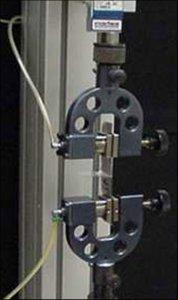
T Peel Tests For Adhesives

Woa1 Apparatus And Method For Evaluating Peel Adhesion Google Patents

Peel Tests On Terminally Sterilized Medical Packaging Iso 1 2

Test And Measure Data

Test Standards Peel Strength Force Standards

A Lap Shear Tensile Test Specimen B Peel Tensile Test Specimen Download Scientific Diagram

The Devil Is In The Details Choosing A Proper Grip For Tensile Testing 01 01 Quality Magazine

Astm D1876 T Peel Resistance Test Equipment For Adhesives
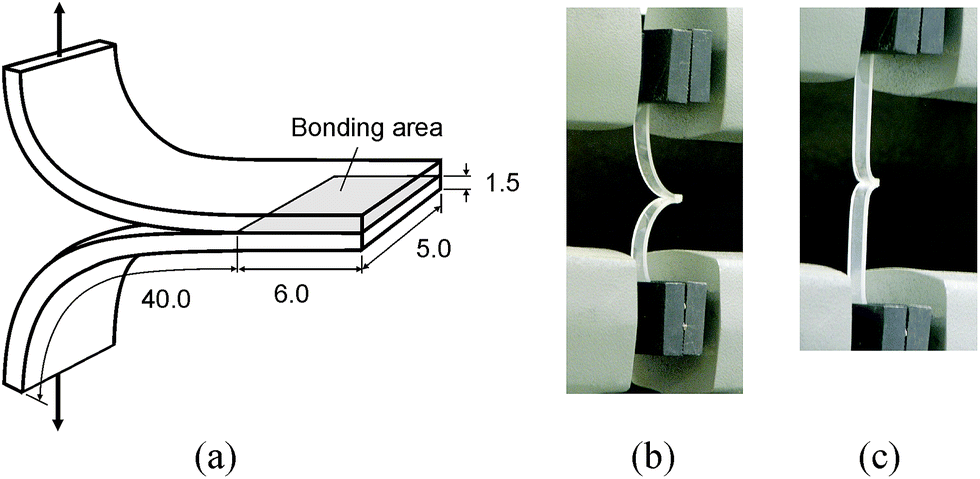
Characterization And Failure Mode Analyses Of Air Plasma Oxidized Pdms Pdms Bonding By Peel Testing Rsc Advances Rsc Publishing

Enhancing The Performance Of The T Peel Test For Thin And Flexible Adhered Laminates Review Of Scientific Instruments Vol 87 No 8
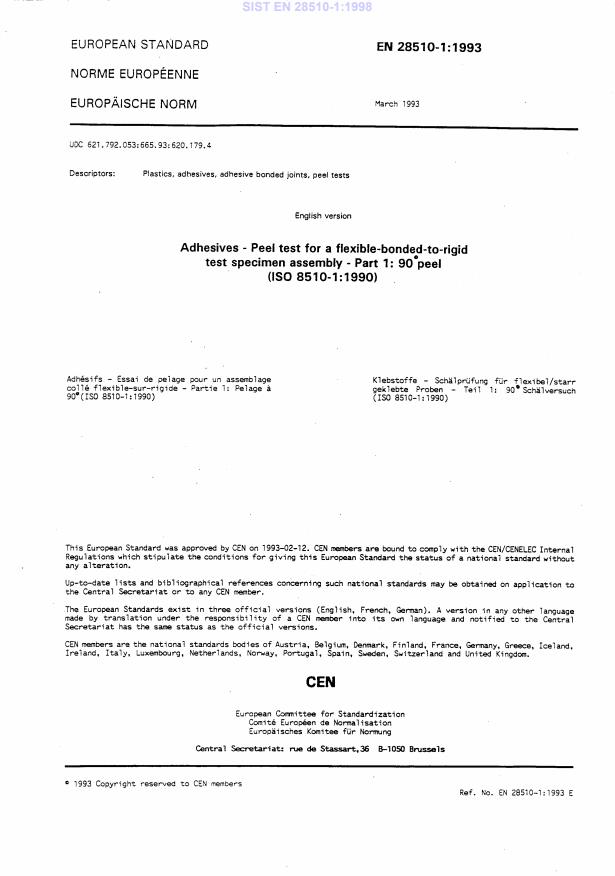
En 1 1993 Adhesives Peel Test For A Flexible Bonded To Rigid Test Specimen Assembly Part 1 90 Peel Iso 8510 1 1990

Instron Peel Testing At A 45 Or 90 Angle Specimen Remains Centered Youtube

Astm D3330 Test Method A 180 Peel Test On Single Coated Tape Mecmesin Force Measurement Youtube

Psm Polymer Service Gmbh Merseburg Fixed Arm Peel Test
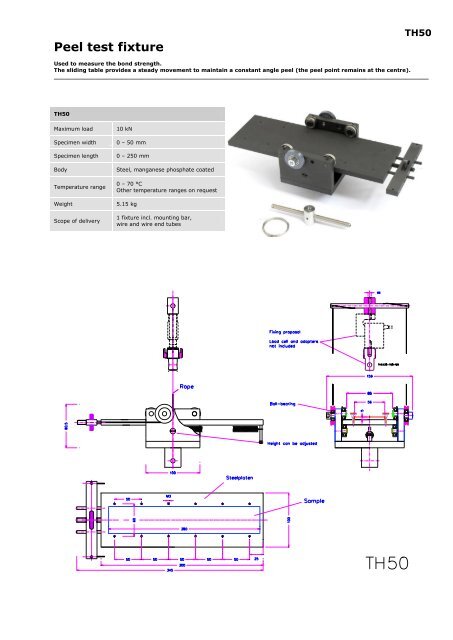
Peel Test Fixture

Peel Testing An Overview Sciencedirect Topics

Enhancing The Performance Of The T Peel Test For Thin And Flexible Adhered Laminates Review Of Scientific Instruments Vol 87 No 8

Determination Of Peel Test For A Flexible Bonded To Rigid Test Specimen Assembly Ilt Interlaboratory Test
Peel Specialist Testing Instruments Aml Instruments

How To Perform Astm D903 Peel Or Stripping Strength Of Adhesive Bonds Massdevice

Peel Test For Packaging Instron
Roller Drum Peel Test Fixture Astm D3167 Wyoming Test Fixtures
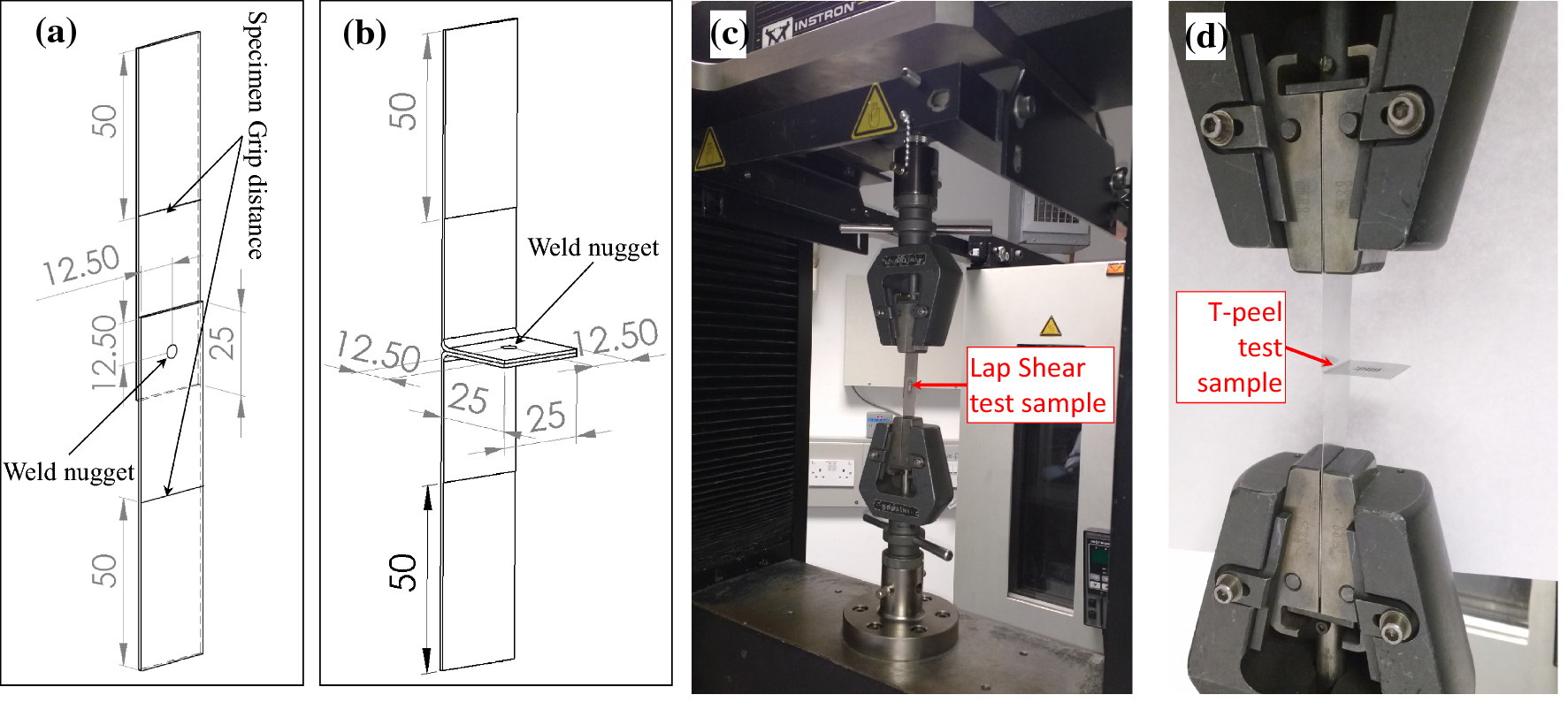
Figure 8 Weldability And Shear Strength Feasibility Study For Automotive Electric Vehicle Battery Tab Interconnects Springerlink

90 Degree Peel Testing System Multiple Specimens Youtube

Adhesives Design Toolkit


